What OEM Customers Are Up Against in 2026 – and How Miller Helps
March 16, 2026
Manufacturers face a convergence of pressures in 2026 that are reshaping how they operate, compete and grow. From intensifying global competition to supply chain uncertainty and a shrinking labor pool, customers are being asked to do more with less – without sacrificing quality, reliability or speed.
A supplier’s value in this environment is no longer defined just by the parts it delivers. For a supplier-partner like Miller Fabrication Solutions, our value is also measured by how deeply we understand our OEM customers’ challenges and how effectively we can help address them.
The willingness and ability to partner with customers to solve challenges is core to how Miller operates.
Better Outcomes through Greater Understanding
As a solutions-based company, we believe the prerequisite to delivering meaningful value is first thoroughly understanding the problem. It’s the reason Miller goes beyond prints and purchase orders.
When possible, we invest in visiting customer facilities to see firsthand how work is being done and where changes might streamline the parts manufacturing process at our facilities. We’re prepared to bring additional insight, experience and practical input to the table when such support is welcomed. And, rather than keeping customers at arm’s length, Miller invites customers into our facilities and brings engineers together on both sides to collaborate – an approach many suppliers are hesitant to take.
Helping Customers Overcome Business Challenges
One of the most pressing challenges customers face in 2026 is cost pressure driven by international competition. Many U.S.-based manufacturers are contending with low-cost overseas alternatives – often products that undercut pricing but introduce serious risks around quality, durability and serviceability.
Customers are forced to ask hard questions: How do we stay competitive without compromising performance? How do we maintain quality control and reliability in a market flooded with less-expensive alternatives?
Miller helps customers navigate such issues through value-added engineering and supply chain expertise. That might mean redesigning a component to reduce material usage without affecting performance, improving manufacturability or identifying dual-sourcing opportunities that lower costs while preserving quality and reliability.
Supply chain disruption remains another major concern. When a supplier suddenly exits the market or capacity tightens in a particular region, customers can find themselves scrambling – risking missed shipments or production slowdowns. Miller’s flexibility and willingness to pivot play a critical role in helping customers maintain continuity when supply chain disruptions arise.
Even when a request falls outside an ideal scope, Miller works with good customers to find solutions that keep their operations moving forward. That adaptability is something some suppliers simply can’t or aren’t willing to offer.
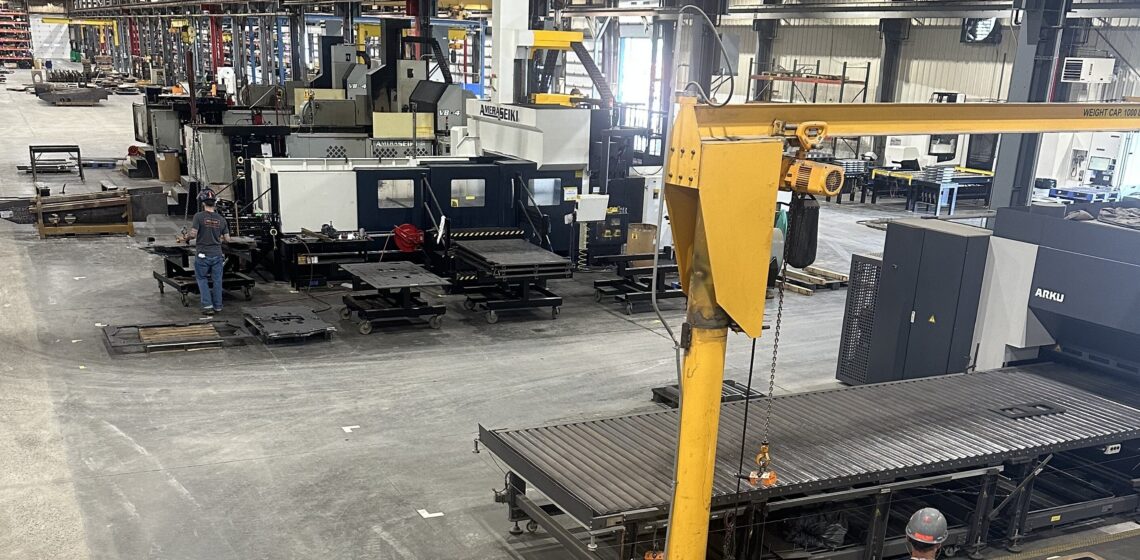
Perhaps the most universal challenge heading into 2026 is labor. As experienced workers retire faster than new ones enter the workforce, manufacturers are confronting a productivity gap that can’t be filled by hiring alone. Miller has responded by investing heavily in automation, technology and process efficiency – ensuring we can continue to reliably supply customers while also helping them offset their own workforce constraints through outsourcing and scalable production support.
Exceeding Expectations So Everyone Wins
The risk of not addressing these challenges is real: higher costs, greater supply chain exposure, reduced output and lost revenue. That’s where a strategic supplier-partner like Miller – one that is committed to being part of customers’ solutions and not just fabricating parts – can become a true competitive advantage.
Miller wants OEM customers to expect more from us than just parts. Customers can rely on us to help them solve multifaceted problems, which is why they often bring us their most complex, difficult work. It’s also why our relationships tend to last.
Miller doesn’t claim to be perfect – but we don’t shy away from striving for that goal. We don’t stand on the sidelines in a manufacturing landscape defined by uncertainty. Instead, and unlike most suppliers, we problem-solve with our customers and deliver new ways for them to succeed.
You Might Be Interested In
Blog
December 11, 2025
Mike Carrier: A Career Shaped by Curiosity and Technology